

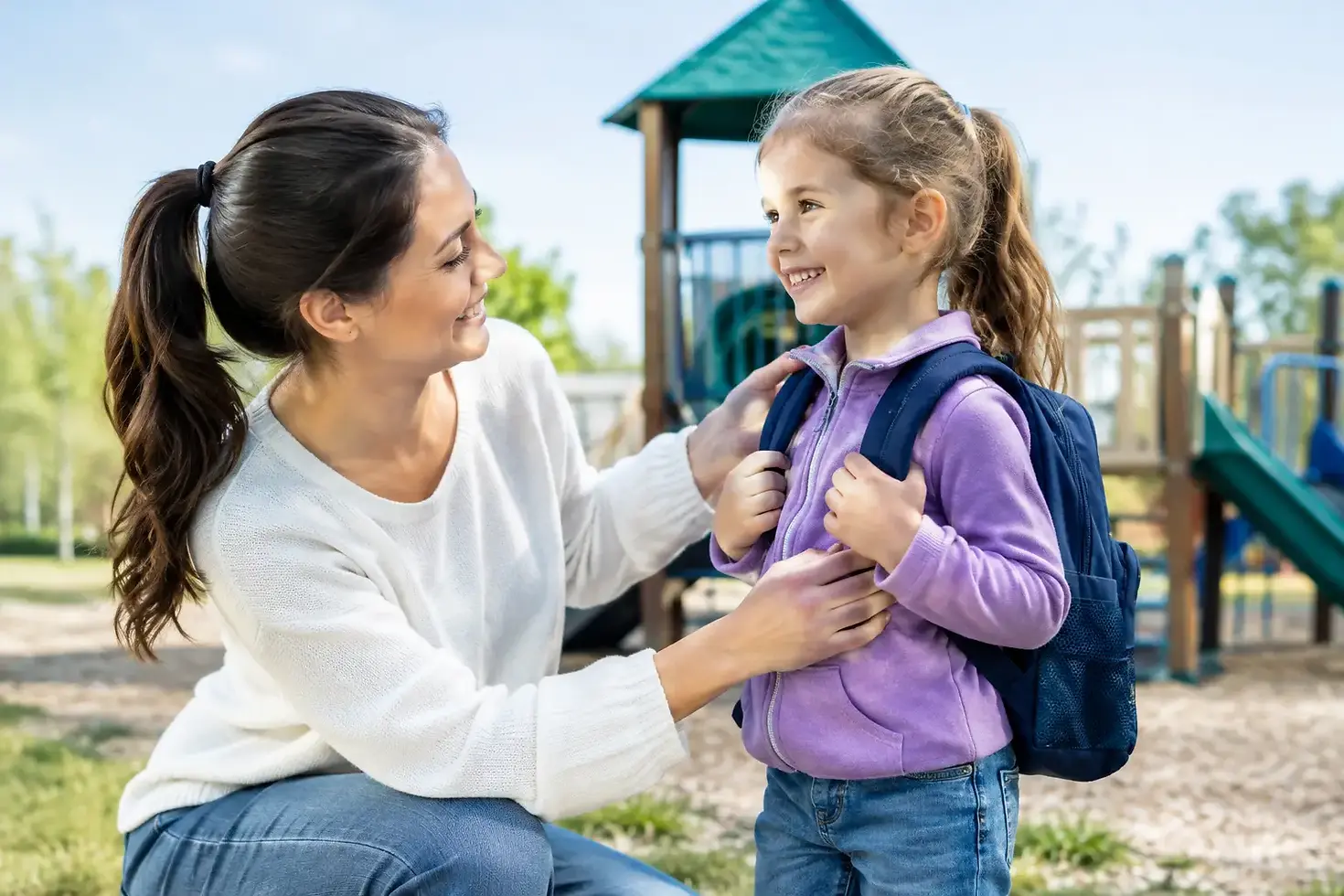
Prepare Kids for Playground Visits With Confidence
A great play day often begins before anyone reaches the slide. Taking a few calm minutes to prepare kids for playground visits can help children feel more confident, help caregivers feel more relaxed, and leave more room for the joyful moments everyone came for. Whether you are heading to a neighborhood park or an indoor play space, a little preparation turns excitement into a smoother family outing.
Start With a Simple Plan for the Day
Young children do best when they know what to expect. Before leaving, share a short, positive picture of the visit: where you are going, who may be there, and what they can do when they arrive. For a toddler, that may be as simple as, “We’re going to play, climb, and take turns.” For an older child, you can explain that they will have time to explore, make choices, and try new activities.
Keep the plan flexible. A child who was eager at home may need a few minutes to watch before joining in, especially in a busy setting. Another child may run straight toward the climbing structures. Both responses are normal. Let your child warm up at their own pace while staying close enough to offer reassurance.
Timing matters, too. A visit right before a regular meal or nap can be harder for everyone. Whenever possible, choose a time when your child is rested and has had a snack or meal. You do not need a perfect schedule, but avoiding the hungriest and sleepiest parts of the day can prevent small frustrations from becoming big feelings.
Dress for Comfortable, Active Play
Playground clothes should make movement easy. Choose items your child can climb, crawl, squat, and slide in without constant adjustments. Soft, flexible clothing is usually a better choice than outfits with loose accessories, long ties, or pieces that can snag on equipment.
Shoes deserve special attention. Closed-toe shoes with secure soles are a smart choice for outdoor playgrounds, where hot surfaces, wood chips, or uneven ground may be part of the experience. For indoor spaces, check the facility’s sock policy before you go. Grip socks can help little feet feel steadier on climbing features and play structures.
Bring layers when needed. Southern California mornings can feel cool, while an active child may warm up quickly once play begins. A light sweatshirt or jacket is easier to manage than a child who is uncomfortable all visit long.
Set Three Clear Safety Expectations
Long lists of rules can be hard for young children to remember, especially when they are excited. Instead, focus on three simple expectations and repeat them right before play begins. Use language your child already understands, such as “Stay where I can see you,” “Use gentle hands,” and “Wait for your turn.”
For children who like to move quickly, add a specific reminder about climbing and slides. Explain that feet go first on the slide and that they should look before stepping onto a platform or into another child’s path. Keep your tone calm and matter-of-fact. Safety guidance is not meant to take the fun away. It gives children the structure to play freely and confidently.
If you are visiting a new location, point out a meeting spot. This could be a bench, the entrance, or a bright sign that is easy for your child to recognize. Even in a family-friendly indoor playground with an open floor plan, it is helpful for children to know where to go if they need you, feel unsure, or get separated from their group.
Pack Small, Think Ahead
You do not need to bring everything you own for a successful outing. A small bag with the right essentials makes it easier to handle the expected and the unexpected. For younger children, consider packing:
Water and a simple snack, if the location allows outside food
Wipes, tissues, and hand sanitizer
A change of clothes for spills, sweat, or potty-training surprises
Diapers, pull-ups, and any comfort item your child truly needs
Sunscreen and a hat for outdoor play
For an indoor visit, check the venue’s policies before packing snacks or drinks. Many family entertainment spaces offer snack options and set rules designed to keep play areas clean and safe. Knowing the details in advance helps you avoid carrying items you cannot use or having to interrupt play to make a new plan.
Talk About Taking Turns Before the Busy Moments
Playgrounds are wonderful places for children to practice social skills in real time. They may need to wait for a slide, share a pretend-play item, or decide how to join a game already in progress. Those situations can be tricky, particularly for children who are still learning how to express frustration.
A quick conversation before arrival can help. Try a few phrases your child can use: “Can I have a turn next?” “Do you want to play?” or “I’m still using that.” If your child is shy, let them know it is okay to play nearby first. They do not have to make a friend immediately to have a meaningful visit.
Caregivers can support without managing every interaction. Stay available, step in when safety or kindness requires it, and give children space to solve small problems when they can. A child who learns to wait for a turn or asks to join a game has gained something far bigger than a few minutes on the slide.
Prepare for Big Feelings, Not Just Big Energy
Even the happiest playground visit can include disappointment. Maybe a favorite feature is busy, a playdate ends sooner than expected, or your child sees an older child do something they are not ready to try. Preparing for these moments does not mean assuming the day will go badly. It means having a gentle response ready.
Name what you see: “You really wanted a turn on that.” Then offer a clear next step: “Let’s choose something else while we wait,” or “We can try that when your body is ready.” This approach helps your child feel understood without turning every disappointment into a negotiation.
For children who become overstimulated, build in small reset moments. A drink of water, a cuddle, a seat beside you, or a quiet minute watching other children can be enough. Indoor play spaces can be especially helpful during hot, rainy, or windy days, but the sounds and activity may still feel like a lot for some children. Follow your child’s cues and allow breaks without treating them as a failure.
Know Your Child’s Comfort Zone
The best play opportunities offer a little challenge without pushing a child past their limits. A confident climber may be ready to explore a taller structure while you supervise from below. A cautious child may want to begin with pretend play, a toddler zone, or a smaller slide. Neither child needs to play the same way.
Avoid comparing siblings or friends. Statements like “Look, everyone else is doing it” can make a nervous child feel more pressure. Instead, notice effort: “You climbed one more step today,” or “You watched carefully and decided what felt safe.” Confidence grows through repeated, positive experiences.
At iPlayology, families can find age-appropriate opportunities for active movement and imaginative play in a clean, comfortable indoor setting, making it easier for children to explore at the pace that feels right for them.
End the Visit Before Everyone Is Overdone
Leaving can be one of the toughest parts of a playground visit, particularly when children are having fun. Give a warning before it is time to go. For young children, five minutes and then one minute may be enough. For older children, invite them to choose one last activity.
Be warm but consistent when it is time to leave. A simple routine helps: one last slide, gather belongings, use the restroom if needed, and say goodbye. If your child is upset, acknowledge it while holding the boundary. “You wanted to keep playing. It is hard to stop when you are having fun. We’ll have another play day.”
The goal is not a flawless outing with no spills, waiting, or tears. It is a family experience where children can move, imagine, connect, and gradually learn that new spaces are full of possibilities. With a little preparation and a lot of patience, each playground visit can become a memory your child talks about long after the shoes come off.


Comments